
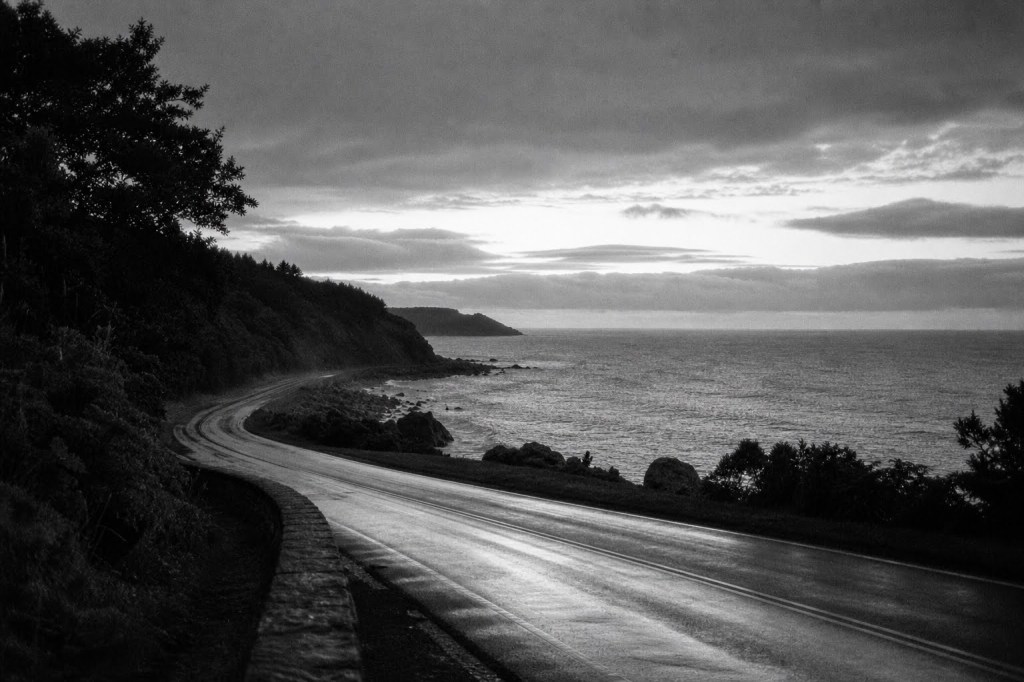
The strangest thing about living in a city one does not truly know is that its roads may become familiar long before its spirit does, so that one can drive beneath the same lights, follow the same turns, recognize the precise place where the trees lean across the avenue as though exchanging some confidence above the passing cars, and still feel that the city itself has remained just beyond reach, visible in all its surfaces yet silent about whatever it is that makes a place cease to be merely a collection of streets and become a world.
I know how to move through it. I know which lane carries me most easily toward the center, which intersections gather themselves into confusion, which roads appear ordinary beneath the afternoon sky but become almost beautiful after rain, when every red light descends into the pavement and the city seems to possess another city beneath it, trembling upside down in the water. I can drive without consulting a map, guided by the quiet intelligence that the body acquires through repetition, yet this practical knowledge has not produced the intimacy I expected, and sometimes, while waiting at a light among people whose destinations are unknown to me, I feel that we are all passing through entirely different versions of the same place.
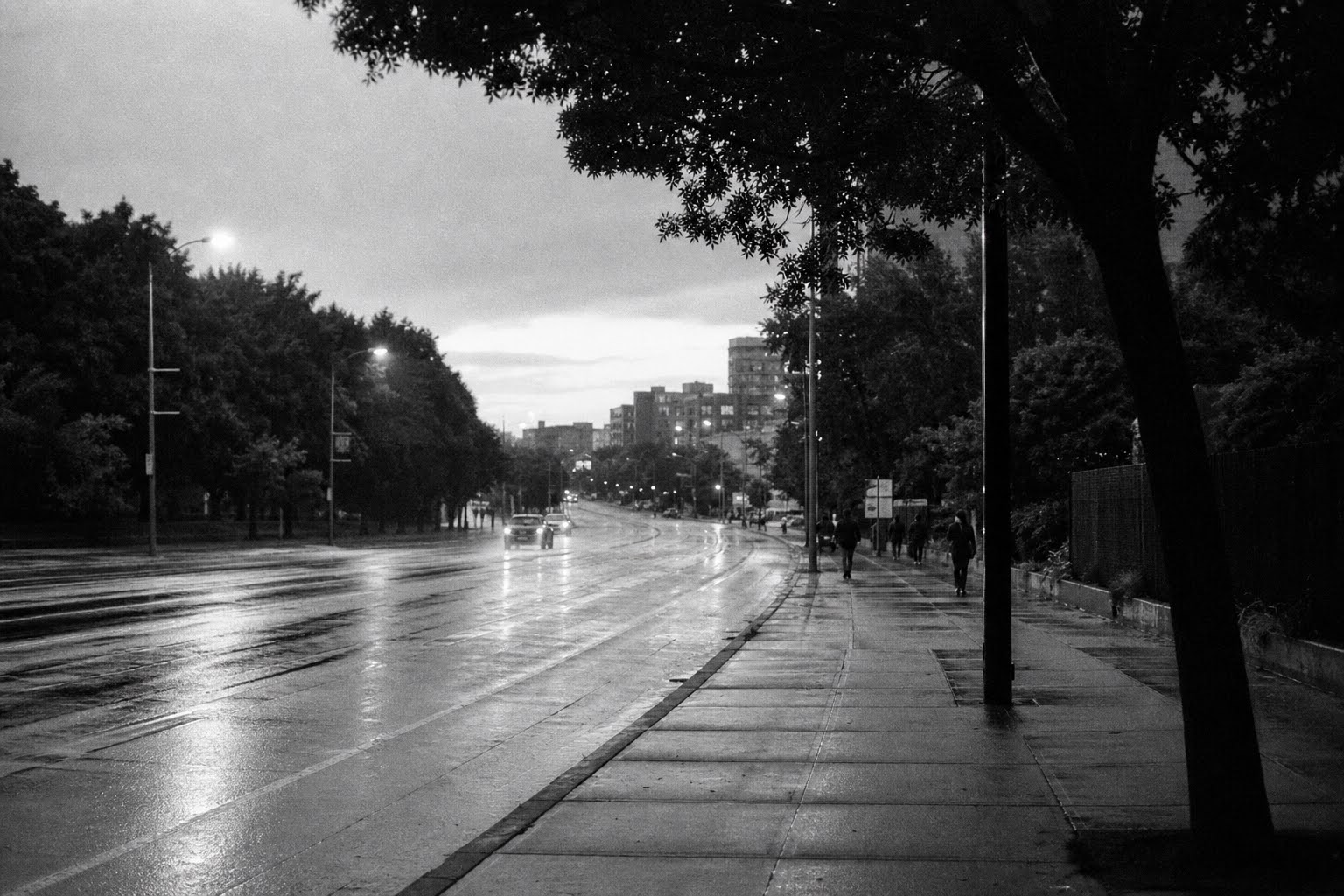
Perhaps that is what I mean when I say I do not know this city. I do not mean that it has failed me, or that I possess some bitter verdict against it, but only that I have not discovered the private language in which it might speak to me, if cities speak at all, and that uncertainty has awakened an even larger curiosity, one that reaches beyond these roads toward all the places whose names I have seen on maps but have never heard spoken by someone who was born beneath their skies.
There are evenings when I drive without urgency, allowing one road to suggest another, and when the familiar buildings begin to thin and the horizon opens above the hood of the car, I feel the soft pressure of a question that has followed me for longer than I can explain: what if there is an entire world somewhere that would reveal another way of being alive, not necessarily a better way, and certainly not a perfect one, but one whose colors, gestures, landscapes, and rhythms might awaken senses that familiarity has never required me to use?
Surely the world is too abundant to be understood from one place.
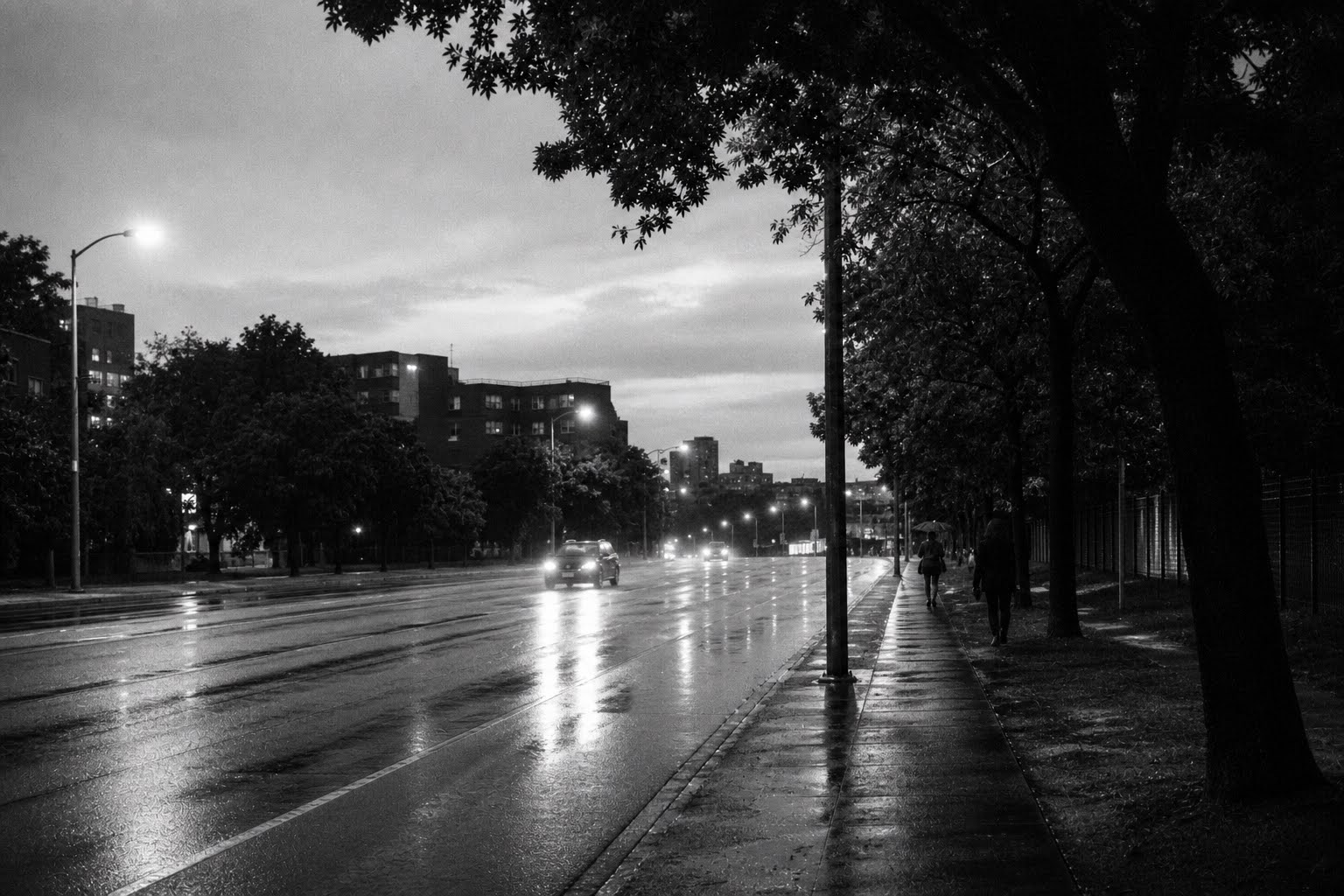
It has raised mountains beneath violet skies, scattered islands across water bright as loosened silk, filled cities with courtyards, gardens, galleries, unfamiliar music, and conversations flowing in languages whose smallest words contain histories I cannot imagine; it has shaped roads that curve beside oceans and others that disappear among forests, and it seems impossible that all this variety should exist merely as scenery, as something to be admired from a distance, rather than as an invitation to discover how large a life can feel when it is permitted to encounter what it did not already know.
In books, there are sometimes people who feel the boundaries of a place becoming too visible, who begin to recognize not only every street but every version of themselves that those streets permit, and who finally gather their courage and travel somewhere they have never been, carrying no certainty that the unknown will transform them, only the belief that life deserves to be encountered before it is interpreted. What moves me about such people is not the spectacle of departure, nor the romantic simplicity with which a page can carry them across great distances, but the trust concealed within their decision, the willingness to accept that one does not need to dislike the life one knows in order to become curious about the lives one does not.
That distinction matters to me, because the desire to discover another place is often mistaken for a rejection of the present one, when it may instead be an expression of gratitude toward the world itself, a recognition that its immensity would be wasted if we approached every unfamiliar horizon as though it were an accusation against the ground beneath our feet.
I do not dream of another place because I imagine that everything there would be effortless, or that unfamiliar streets possess some magical power to answer every question. I dream of it because I want to be surprised by what I have not yet learned to notice. I want to drive along a coast I have never seen and discover the sea appearing suddenly between the trees, immense and silver, with no concern for whether I am prepared for its beauty. I want to walk through a gallery without knowing which room contains the image that will hold me there. I want to hear music rising across a public square, carried through the evening air before I have learned its name. I want to taste something unfamiliar, to turn down a road simply because its curve conceals what lies beyond it, to see what color the sky becomes in a place where none of my usual reference points remain.
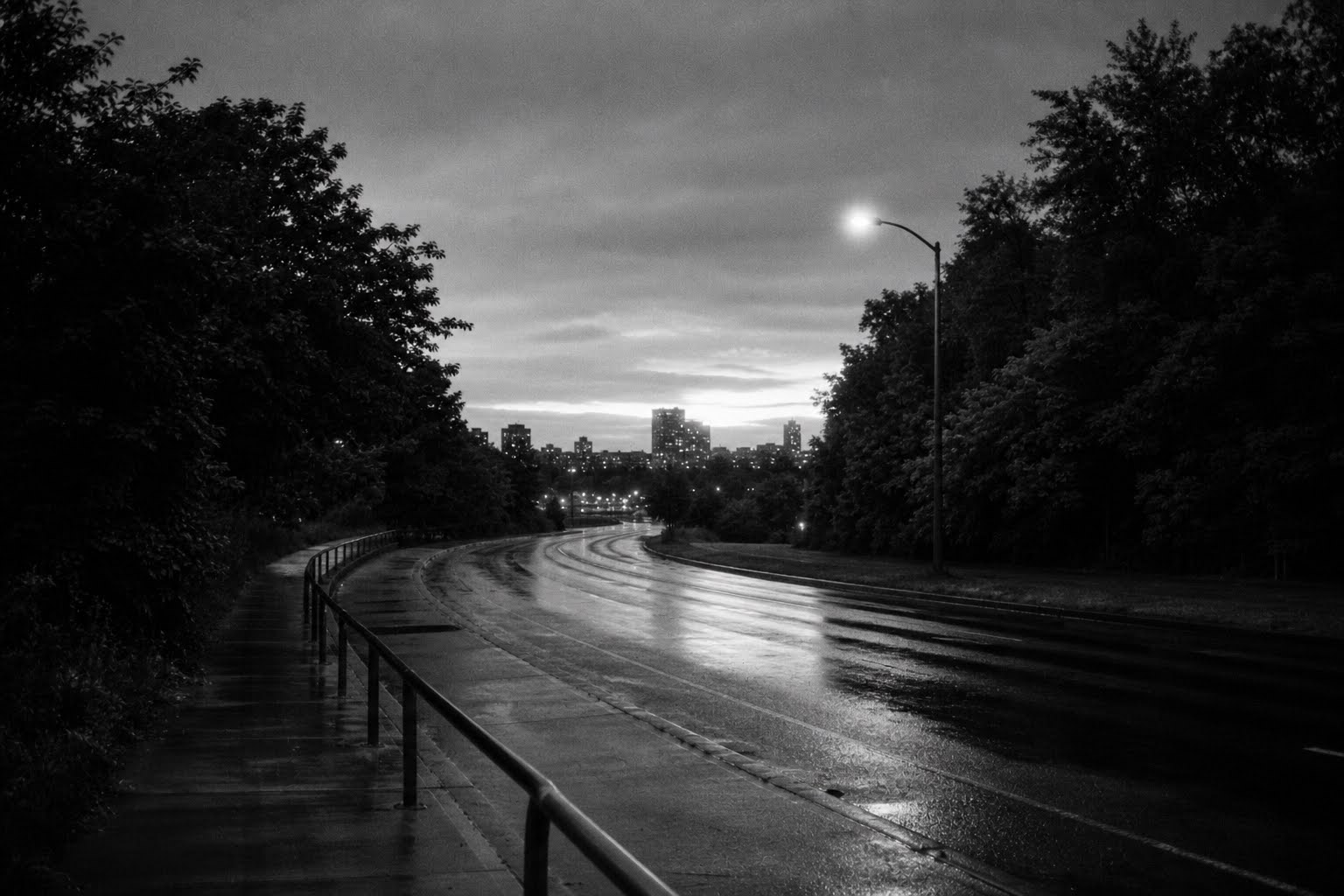
For someone drawn so deeply to producing and consuming art, much of my experience has naturally unfolded within, in that boundless interior where images gather meanings, where music can alter the atmosphere of an entire day, where a sentence can open a landscape more vivid than the one beyond the glass; and because these inward encounters possess such intensity, because they allow a person to travel through emotion, imagination, and perspective without moving at all, it is easy to believe that the inner world, when cultivated carefully enough, might contain everything one needs.
Yet even the richest imagination eventually begins to desire the resistance of reality, the coolness of stone beneath the hand, the scale of a mountain that refuses to fit inside a photograph, the particular blue of water that no description had prepared us to see, because art, for all its power, does not diminish the world by representing it, but increases our hunger to encounter the mysterious source from which its colors, forms, voices, and visions were gathered.
Perhaps this is why I feel the pull of elsewhere so strongly. Art has not made the exterior world unnecessary to me. It has made that world impossible to ignore. Every beautiful image seems to contain a doorway, every compelling story appears to whisper that existence is wider than the portion currently visible, and every song shaped by a landscape I have never crossed leaves behind the suspicion that certain parts of ourselves remain silent only because we have not yet reached the place capable of calling them forth.
People might describe this as leaving one’s comfort zone, but comfort has very little to do with it. I am not seeking difficulty as though difficulty alone possessed virtue, nor am I interested in proving courage through unnecessary discomfort. What I want is expansion, the gentle but profound enlargement that occurs when the world refuses to resemble our expectations, when we are invited to observe before judging, to listen before answering, to become attentive again because nothing around us has yet faded into the background.
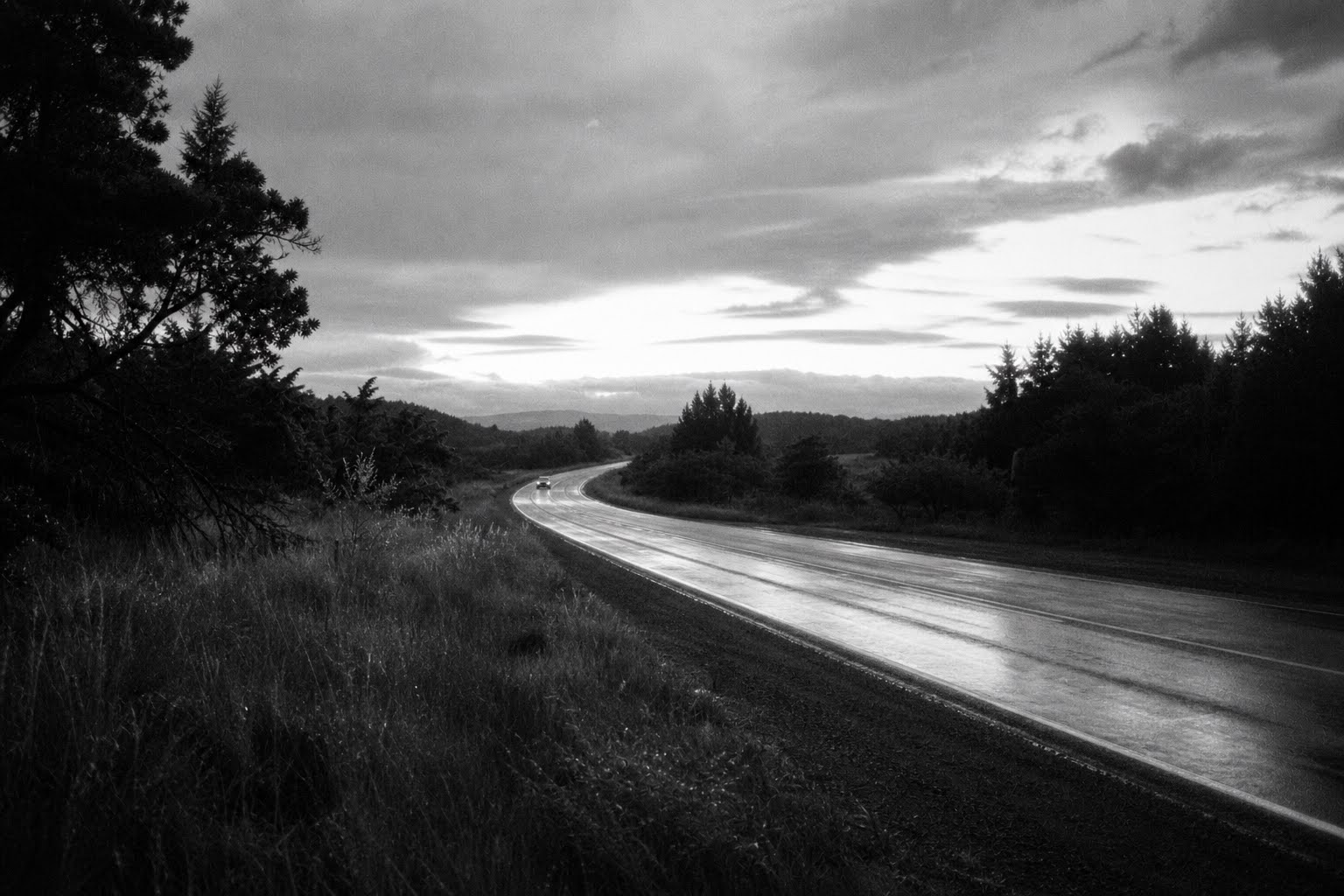
There is a special clarity in arriving somewhere without a rehearsed understanding of it, in recognizing that the road ahead cannot be navigated entirely through habit, and that one must therefore look more closely at the signs, the landscape, the movement of people, the changing character of the light. In such attention there is no rejection of who one has been, but an opportunity to discover how much more perception, curiosity, and feeling that person still contains.
Of course, another place would eventually reveal its ordinary face. Its astonishing roads would become known roads, its distant horizon would become the view one expects, and the unfamiliar would gradually acquire the graceful ease of recognition. But that does not make discovery meaningless, any more than becoming familiar with a piece of music exhausts its beauty, for perhaps the value of encountering the world is not that every place remains forever strange, but that each one teaches the senses another way to open.
I do not know which place might speak to me in that language. I do not know whether it waits beside an ocean, beneath mountains, among narrow streets, or beyond miles of open road where the sky seems to lower itself toward the earth. I only know that the possibility exists, and that this possibility moves within me whenever the city begins to recede in the mirror and the road ahead becomes briefly free of names.
Somewhere there is a landscape that has never entered my imagination because imagination cannot create what experience has not yet given it.
Somewhere there is a road whose final turn would reveal a beauty for which I possess no prepared response.
Somewhere there is another world, not hidden from me, not promised to me, but simply present, immense and patient, waiting beyond the boundary of what I have already seen.
And I would like to meet it.


Leave a comment